September Garden Checklist: What to Plant, Prune and Prepare This Month
September is one of the most productive months in the New England garden. Cooler days make outdoor work more comfortable, while warm soil and dependable fall moisture help new plants establish roots. It is also the ideal time to repair summer damage and prepare your landscape for the seasons ahead.
Use this practical checklist to keep your lawn and garden healthy throughout September.
Plant for Fall—and Next Spring
Early fall is an excellent time to plant trees, shrubs and perennials. The cooler air reduces transplant stress, but the soil remains warm enough for continued root growth. Plants established now will be better prepared for next summer’s heat.
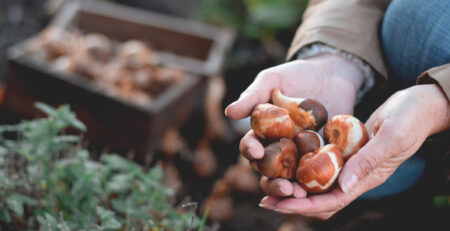
September is also the time to plant spring-flowering bulbs such as daffodils, crocuses, hyacinths and alliums. Tulips can be planted later in the fall, once soil temperatures cool further.
For immediate color, refresh containers and garden beds with mums, asters, ornamental grasses, pansies, flowering kale and other cool-season favorites.
Adjust Your Watering
Gardens may need less frequent watering as temperatures fall, but newly installed plants still require consistent moisture. Water deeply rather than providing a light daily sprinkle. Deep watering encourages roots to grow farther into the soil.
Pay particular attention to newly planted trees, shrubs and perennials. Continue watering them until the ground begins to freeze, especially during a dry fall.
Repair and Feed the Lawn
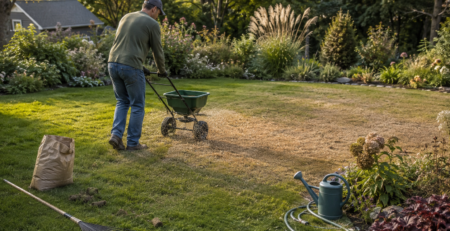
September is the most important month for lawn renovation in Massachusetts. Cooler temperatures, warm soil and reduced weed competition create favorable conditions for grass-seed germination.
This month’s lawn jobs may include:
- Aerating compacted soil
- Overseeding thin or bare areas
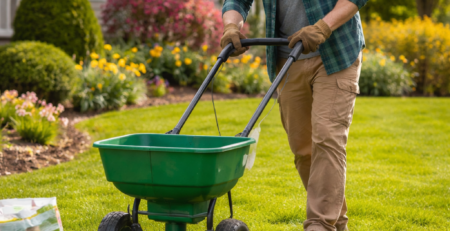
- Applying a fall lawn fertilizer
- Removing heavy thatch
- Repairing damage caused by heat, drought or insects
- Controlling perennial broadleaf weeds
Keep newly seeded areas consistently moist until the grass is established. Continue mowing established lawns regularly, removing no more than one-third of the grass blade at a time.
Divide Overgrown Perennials
Many spring- and early-summer-flowering perennials can be divided in September. Daylilies, hostas, iris and other mature clumps may benefit from division when flowering has declined or the center has become sparse.
Replant the healthiest divisions promptly and water them thoroughly. Dividing rejuvenates crowded plants while giving you additional plants to use elsewhere in the garden or share with friends.
Clean Up Selectively
Remove diseased foliage, fallen fruit and badly damaged annuals, but avoid making the garden too tidy. Healthy perennial stems and seed heads can provide winter interest, food for birds and shelter for beneficial insects.
Continue deadheading annuals and late-blooming perennials if you want to encourage additional flowers. Leave attractive seed heads from plants such as coneflowers, black-eyed Susans and ornamental grasses in place.
Plan While the Garden Is Fresh in Your Mind
September is a good time to evaluate what worked—and what did not—during the growing season. Take photographs and note areas that need more color, privacy, shade or structure.
Consider where you could add:
- Spring-flowering bulbs
- Trees for shade
- Shrubs for screening
- Native and pollinator-friendly plants
- Perennials with extended bloom times
- Evergreens or ornamental grasses for winter interest
A little planning now makes spring planting easier and helps you create a more attractive garden throughout the year.
Visit Nunan’s for Fall Garden Help
Whether you are repairing a lawn, refreshing a container or planning a larger landscape project, the team at Nunan’s Garden Center can help you select plants and supplies suited to Georgetown and the surrounding North Shore growing conditions.
Stop in this September for fresh fall color, trees, shrubs, perennials, bulbs, grass seed, fertilizer and practical advice for completing your seasonal garden checklist.
Frequently Asked Questions
Is September too late to plant?
No. September is one of the best times to plant trees, shrubs and hardy perennials in northeastern Massachusetts. Plant early enough to allow several weeks of root development before the ground freezes.
How often should newly planted trees and shrubs be watered?
Check the soil several times each week and water deeply whenever the root zone begins to feel dry. Actual frequency will depend on rainfall, temperature, soil type and the size of the plant.
Should I cut back all my perennials in fall?
Not necessarily. Remove diseased or damaged growth, but consider leaving healthy stems and seed heads for winter interest, birds and beneficial insects.
Is September a good time to seed a lawn?
Yes. Late summer through early fall generally provides the best conditions for seeding and overseeding cool-season lawns in Massachusetts.
When should spring-flowering bulbs be planted?
Most spring-flowering bulbs can be planted from September until the ground freezes. Daffodils and smaller bulbs can go in earlier, while tulips generally benefit from later planting.