Fall Color Beyond Mums: More Ways to Refresh Your Autumn Garden
When many gardeners think of fall color, mums are usually the first plants that come to mind—and for good reason. Their bold flowers are an autumn favorite. But mums are only the beginning. With the right combination of perennials, ornamental grasses, shrubs, foliage plants, and late-blooming annuals, your landscape and containers can remain colorful well into fall.
Perennials That Keep the Garden Blooming
Fall-blooming perennials provide dependable color year after year. Asters produce masses of daisy-like flowers in shades of blue, purple, pink, and white, while sedum develops rich clusters of rosy-red blooms that attract late-season pollinators.
Other excellent choices include rudbeckia, helenium, goldenrod, Japanese anemone, and perennial sage. Many of these plants complement mums beautifully while extending the season with different flower shapes, heights, and textures.
Add Movement with Ornamental Grasses
Ornamental grasses become especially striking during autumn. Their feathery plumes catch the sunlight, move gracefully in the breeze, and add height without making the garden feel heavy.
Switchgrass, fountain grass, maiden grass, and little bluestem all bring distinctive fall interest. Their foliage may develop shades of gold, copper, burgundy, or red as temperatures cool. Leave many grasses standing through winter to provide structure, movement, and shelter for wildlife.
Choose Shrubs with Flowers, Foliage, and Berries
Shrubs can contribute some of the most dramatic color in the fall landscape. Panicle hydrangeas often transition from white to pink, rose, or burgundy. Oakleaf hydrangeas develop deep red and purple foliage, while viburnums may offer both colorful leaves and ornamental berries.
Other strong options include Virginia sweetspire, smokebush, ninebark, and certain varieties of blueberry. Choosing shrubs for their autumn appearance gives your landscape another full season of interest.
Bring Color to Containers with Foliage
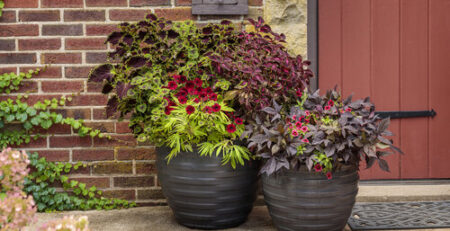
Flowers aren’t the only way to create a beautiful fall display. Ornamental kale and cabbage provide long-lasting texture and color, becoming even more attractive as temperatures cool. Heuchera offers foliage in shades ranging from lime green and caramel to burgundy and nearly black.
Crotons, coleus, and trailing foliage plants can also add warmth and contrast before frost arrives. Try combining broad leaves with finer grasses and flowering plants for a layered, professionally designed look.
Don’t Forget Late-Blooming Annuals
Many annuals continue performing until a hard frost. Marigolds, zinnias, snapdragons, celosia, and pansies can add fresh color to tired containers and garden beds. Pansies are particularly valuable because they tolerate cooler temperatures and may continue flowering after more tender annuals have faded.
Create Your Own Fall Combination
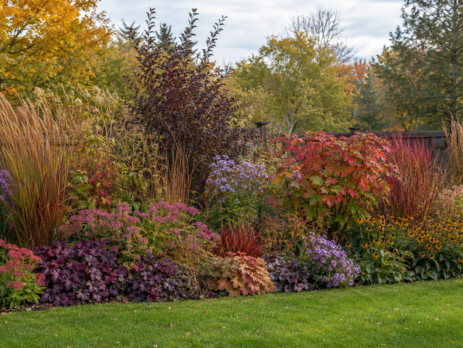
The most interesting autumn gardens combine several types of plants rather than relying on one flower. Start with an ornamental grass or compact shrub for height, add one or two flowering perennials, and finish with colorful foliage and trailing plants.
Visit Nunan’s Garden Center in Georgetown to explore fresh ideas for fall beds, porch pots, window boxes, and landscape updates. Our team can help you combine plants with complementary colors, textures, and growing requirements for a display that lasts well beyond mum season.
Frequently Asked Questions
What can I plant instead of mums for fall color?
Asters, sedum, rudbeckia, ornamental grasses, heuchera, ornamental kale, pansies, and colorful shrubs are all excellent choices.
Can I plant perennials and shrubs during the fall?
Yes. Fall’s cooler air and warm soil provide favorable conditions for root establishment. Water new plantings regularly until the ground freezes.
Which fall plants are best for pollinators?
Asters, sedum, goldenrod, and late-blooming perennial flowers provide valuable food for bees and other pollinators.
How can I make a fall container look more interesting?
Combine a taller focal plant, medium-height flowers or foliage, and a trailing plant. Mixing leaf shapes and textures can be just as effective as mixing flower colors.