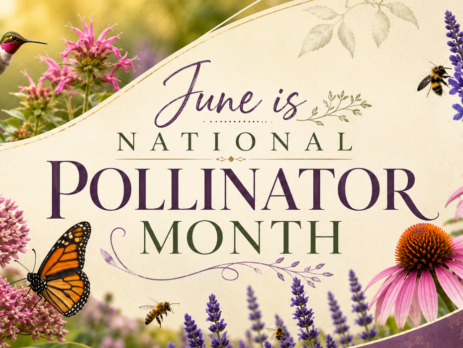
June Is National Pollinator Month
Easy Ways to Make Your Garden More Bee, Butterfly, and Hummingbird Friendly
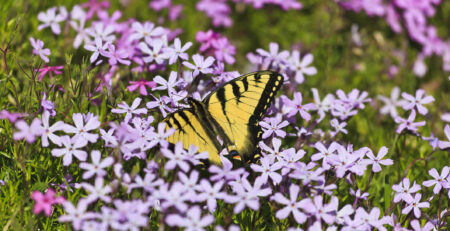
June is National Pollinator Month, making it the perfect time to look at your garden through the eyes of bees, butterflies, hummingbirds, and other helpful pollinators. These small visitors play a big role in healthy gardens, strong food crops, and thriving local ecosystems. The good news is that you do not need a large meadow or complicated landscape plan to make a difference. Even a few thoughtful plant choices can turn a porch, patio, border, or backyard bed into a more welcoming stop for pollinators.
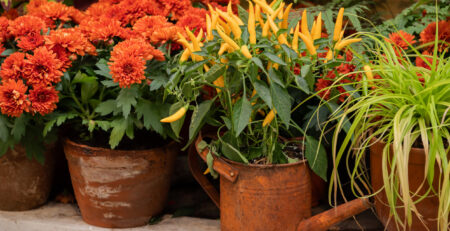
One of the best ways to support pollinators is to plant a mix of nectar-rich annuals and perennials that bloom at different times of the season. Bees, butterflies, and hummingbirds all need steady food sources from spring through fall, so variety matters. Colorful annuals can provide quick seasonal impact, while perennials return year after year to build a stronger pollinator-friendly garden over time. At Nunan’s, you will find benches filled with fresh options for sunny gardens, mixed containers, borders, and landscape beds.
Native plants are especially valuable because local pollinators have adapted alongside them. Adding native perennials, flowering shrubs, and other regionally appropriate plants can help create a garden that is both beautiful and beneficial. A layered planting that includes blooms at different heights also gives pollinators more places to feed, rest, and move safely through the garden.
It also helps to think beyond flowers. Pollinators need access to clean water, shelter, and a safe environment. A shallow dish with stones, a birdbath with a gentle landing spot, or a small water feature can provide a place for bees and butterflies to drink. Leaving some natural areas, avoiding over-cleaning every corner of the garden, and planting in generous clusters rather than single scattered plants can make your landscape easier for pollinators to use.
Another important step is to avoid unnecessary pesticide use. When pest problems appear, start by identifying the issue before spraying. Many insects in the garden are harmless or even helpful, and broad treatments can affect pollinators along with pests. If you need help choosing the right approach, the team at Nunan’s can help you find a more targeted solution.
Nunan’s also grows 90% of the annuals and perennials they sell, which means many of the plants on the benches are grown right here with care and attention before they ever reach your garden. That gives local gardeners a strong start with healthy, well-grown plants ready for the season ahead.
This June, celebrate National Pollinator Month by adding a few more pollinator-friendly plants to your garden, containers, or landscape beds. Stop by Nunan’s to explore fresh annuals, perennials, native plants, and expert advice for creating a garden that looks beautiful and supports the wildlife around us.
FAQ
What plants are best for pollinators?
Look for nectar-rich annuals, long-blooming perennials, native plants, flowering herbs, and shrubs that provide blooms across the season.
Do I need a large garden to help pollinators?
No. Containers, window boxes, patio planters, and small garden beds can all provide valuable food sources.
How can I attract hummingbirds?
Choose tubular, nectar-rich flowers and keep fresh water nearby. Planting in clusters makes blooms easier for hummingbirds to find.
Should I avoid all pesticides?
Not always, but avoid unnecessary or broad pesticide use. Identify the problem first and choose the most targeted option when treatment is needed.
Where can I find pollinator-friendly plants locally?
Visit Nunan’s for fresh annuals, perennials, native plants, and guidance on the best choices for your garden.