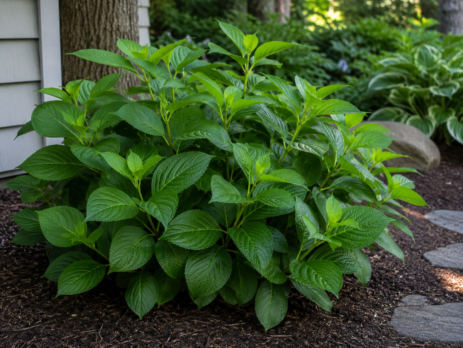
Why Isn’t My Hydrangea Blooming? Common Problems and Simple Fixes
Hydrangeas are one of the most loved flowering shrubs in New England gardens, and for good reason. Their big, colorful blooms can make a shady border, foundation planting, or mixed garden bed feel full and beautiful all summer long. But when a hydrangea grows plenty of leaves and produces few flowers—or none at all—it can be frustrating.
The good news is that most hydrangea blooming problems come down to a few common causes. Once you know what type of hydrangea you have and how it forms flower buds, it becomes much easier to diagnose the issue and help your plant bloom again.
1. You May Be Pruning at the Wrong Time
Pruning is one of the biggest reasons hydrangeas fail to bloom. Some hydrangeas bloom on old wood, meaning they form next year’s flower buds on stems grown the previous season. If those stems are pruned in fall, winter, or early spring, the flower buds may be removed before they ever open.
Bigleaf hydrangeas, including many mophead and lacecap types, often bloom on old wood. Oakleaf hydrangeas do as well. These should be pruned lightly, usually right after flowering, and only as needed to remove dead or misshapen growth.
Other hydrangeas, such as panicle hydrangeas and smooth hydrangeas, bloom on new wood, meaning they form buds on the current season’s growth. These are more forgiving and can usually be pruned in late winter or early spring.
2. Winter Damage Can Kill Flower Buds
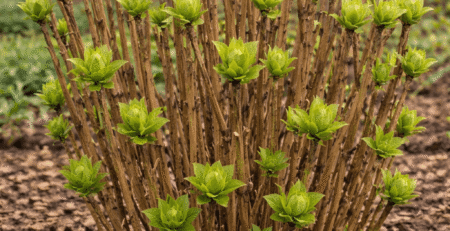
Even when a hydrangea looks healthy in spring, cold winter temperatures may have damaged the flower buds. This is especially common with bigleaf hydrangeas in colder areas or exposed locations. The plant may leaf out beautifully from the base, but the older stems that were carrying flower buds may have been damaged.
To help prevent this, avoid heavy fall pruning, leave the stems standing through winter, and consider adding a protective layer of mulch around the base. Planting hydrangeas in a sheltered spot away from harsh winter winds can also make a difference.
3. Too Much Shade Can Reduce Blooming
Hydrangeas are often described as shade plants, but most still need some sunlight to bloom well. Deep shade may produce large, healthy leaves but very few flowers.
In many local gardens, hydrangeas do best with morning sun and afternoon shade. This gives them enough light to set buds while protecting them from the hottest part of the day. If your hydrangea is planted under dense trees or against a heavily shaded side of the house, lack of light may be the reason it is not flowering.
4. Too Much Nitrogen Encourages Leaves, Not Flowers
If your hydrangea is lush, green, and leafy but not blooming, too much nitrogen may be part of the problem. Nitrogen promotes leafy growth, which is helpful in moderation, but too much can reduce flowering.
This often happens when lawn fertilizer is applied too close to hydrangea beds. Many lawn fertilizers are high in nitrogen and can push shrubs toward foliage instead of flowers. Use a fertilizer designed for flowering shrubs, and avoid feeding heavily late in the season.
5. The Type of Hydrangea Matters
Not all hydrangeas behave the same way. Before making changes, it helps to identify what you are growing.
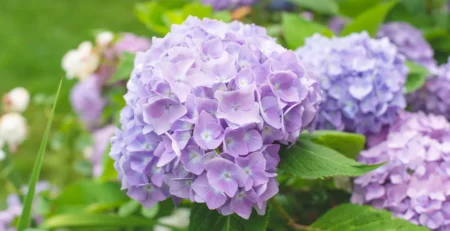
Bigleaf hydrangeas are known for blue, pink, or purple mophead blooms and are more sensitive to winter bud damage and pruning mistakes. Panicle hydrangeas, such as many cone-shaped white or pink varieties, are generally reliable bloomers because they flower on new wood. Smooth hydrangeas, including Annabelle-type varieties, also bloom on new wood and can be easier to manage. Oakleaf hydrangeas are beautiful, but they bloom on old wood and should be pruned carefully.
Simple Fixes to Try This Season
Start by holding off on major pruning until you know what type of hydrangea you have. Remove only clearly dead wood in spring, then watch where new growth appears. Check the light conditions, especially if the plant is in heavy shade. Keep lawn fertilizer away from the root zone, and use a plant food intended for flowering shrubs if feeding is needed.
If your hydrangea has struggled for several years, stop by Nunan’s with a photo of the plant, leaves, and planting location. Our team can help identify the type of hydrangea you have and recommend the right care approach—or help you choose a more reliable blooming variety for your yard.
FAQ
Should I cut my hydrangea back every year?
Not always. Some hydrangeas bloom on old wood and may not flower if cut back at the wrong time. Identify the type first before pruning.
Why does my hydrangea have leaves but no flowers?
Common causes include pruning off flower buds, winter damage, too much shade, or too much nitrogen fertilizer.
Can too much sun stop hydrangeas from blooming?
Too much hot afternoon sun can stress the plant, but too little sun is more likely to reduce flowering. Morning sun with afternoon shade is often ideal.
Will my hydrangea bloom again next year?
In many cases, yes. If the plant is healthy, adjusting pruning, light, and fertilizer habits can help restore blooming in future seasons.
Need help with your hydrangeas?
Visit Nunan’s Garden Center with a photo of your plant, and we’ll help you find the best solution for your garden.