Plant Now for a Better Spring Garden
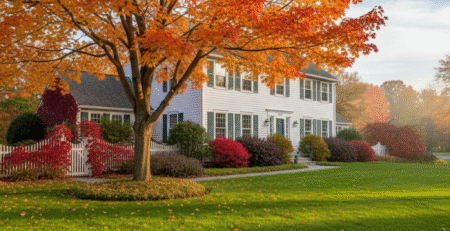
When spring arrives, everyone wants a garden filled with healthy growth and colorful blooms. One of the best ways to make that happen is to start planting in fall.
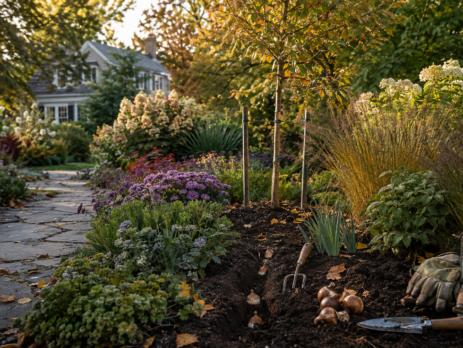
Throughout September and well into autumn, cooler air temperatures make gardening more comfortable while the soil remains warm enough to encourage root development. Trees, shrubs, perennials, and spring-flowering bulbs planted now can begin establishing before winter, giving them a valuable head start for next year.
Why Fall Planting Works
During summer, newly planted material must divide its energy between producing roots, maintaining foliage, and coping with heat. Fall offers much gentler conditions.
Cooler days reduce stress on plants, while warm soil allows roots to continue growing even after the visible portion of the plant begins entering dormancy. Seasonal rainfall may also reduce the need for frequent watering—although new plantings should still be monitored carefully.
When temperatures warm next spring, fall-planted trees, shrubs, and perennials are already in place and prepared to grow.
Trees and Shrubs
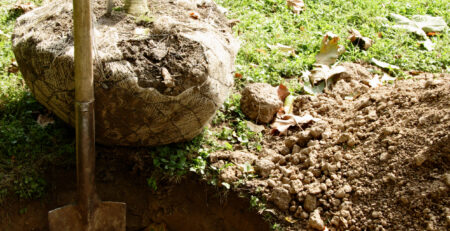
Fall is an excellent time to add shade trees, flowering trees, evergreens, and many landscape shrubs. Planting now allows them to develop roots before they face the heat and dryness of their first summer.
Consider adding:
- Shade and ornamental trees
- Flowering shrubs
- Evergreens and privacy plants
- Hydrangeas
- Rhododendrons and azaleas
- Roses
- Boxwoods and other foundation plants
Before selecting a tree or shrub, consider its mature size, sunlight requirements, soil conditions, and distance from buildings, walkways, and utility lines. The Nunan’s team can help you choose plants suited to your property and our local growing conditions.
Perennials and Ornamental Grasses
Fall is also a smart time to plant perennials. The cooler weather reduces transplant stress, and established roots can support stronger growth and more flowers during the following season.
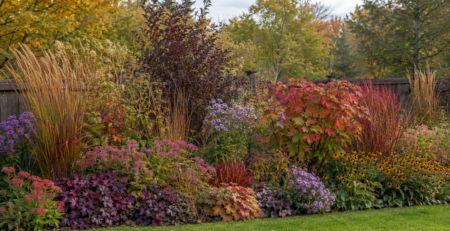
September is a particularly good time to fill gaps you noticed in this year’s garden. Add late-season color with asters, sedum, rudbeckia, and ornamental grasses, or plan ahead with perennials that will bloom in spring and early summer.
A layer of mulch around new plants will help retain moisture and insulate the root zone. Keep mulch a few inches away from stems and crowns to prevent excess moisture and decay.
Spring-Flowering Bulbs
If you want daffodils, tulips, crocuses, hyacinths, or alliums next spring, they need to be planted in fall. These bulbs require a period of cold weather before they can produce their spring display.
Plant bulbs after the soil begins to cool but before it freezes. As a general rule, bulbs should be planted at a depth approximately two to three times their height, with the pointed end facing upward.
For the most natural-looking display, plant bulbs in clusters or drifts instead of placing them in single straight rows.
Don’t Forget Groundcovers and Smaller Plants
Groundcovers, native plants, and many cool-season herbs can also benefit from fall planting. These plants help fill open spaces, reduce weed growth, support pollinators, and create a more complete landscape.
The key is to plant early enough for roots to begin establishing before the ground freezes.
Caring for New Fall Plantings
Fall planting is easier on plants, but new additions still require care:
- Water deeply immediately after planting.
- Continue checking soil moisture until the ground freezes.
- Apply two to three inches of mulch over the root area.
- Avoid piling mulch against trunks or stems.
- Protect vulnerable plants from deer and rodents when necessary.
- Follow the specific planting instructions for each variety.
Evergreens are especially important to water during fall because they continue losing moisture through their foliage during winter.
Frequently Asked Questions
How late can I plant in fall?
Many trees, shrubs, and hardy perennials can be planted until the ground freezes, but earlier planting provides more time for root development. September and October usually offer especially favorable conditions in northeastern Massachusetts.
Should I fertilize plants when planting them?
Strong fertilizer is generally unnecessary at planting time and may encourage tender new growth too late in the season. Soil preparation, proper planting depth, consistent watering, and healthy root development should be the priorities.
Do fall-planted trees and shrubs still need water?
Yes. Rainfall alone may not provide enough moisture. Water deeply when the surrounding soil begins to feel dry and continue until the ground freezes.
Should I cut back newly planted perennials?
Remove damaged or diseased growth, but healthy foliage can often remain until it naturally dies back. Some perennial stems and seed heads also provide winter interest and habitat for beneficial insects.
When should I plant spring-flowering bulbs?
Plant them once the soil has cooled, generally from mid-fall until the ground freezes. Buying bulbs earlier gives you the best selection, even if you wait a little longer to plant them.
Start Planning for Spring at Nunan’s
A beautiful spring garden begins long before the first warm day. Visit Nunan’s Garden Center in Georgetown to explore trees, shrubs, perennials, ornamental grasses, spring-flowering bulbs, mulch, and everything else you need for successful fall planting.
Our knowledgeable team can help you choose the right plants and show you how to give them the strongest possible start. Plant now—and next spring, you’ll be glad you did.