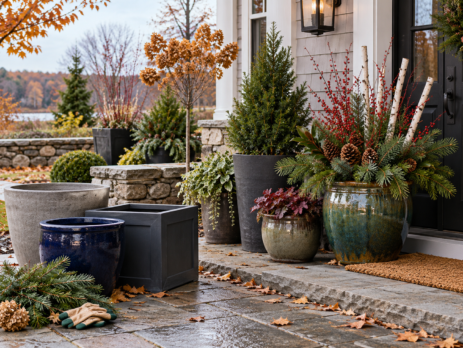
Preparing Containers for the Cold Months Ahead
Which pots can stay outside, which need protection, and how to prevent winter damage.
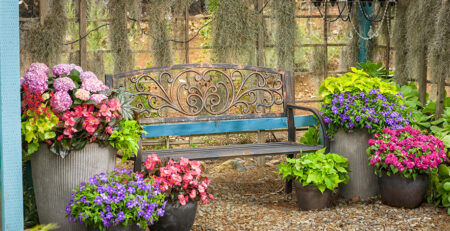
As temperatures drop and the gardening season winds down, it’s time to give your outdoor containers a little attention. Pots and planters add beauty to patios, walkways, decks, and entryways throughout the growing season, but not all containers are designed to withstand a New England winter.
A little preparation now can help prevent cracked pots, damaged plants, and unnecessary replacements next spring. Here’s how to decide what stays outside, what needs protection, and what to do before the ground freezes.
Know Which Containers Can Handle the Cold
The material your container is made from plays an important role in how well it survives winter.
- Plastic and resin: Many high-quality plastic and resin containers tolerate freezing temperatures well. However, older or thinner pots can become brittle and crack.
- Fiberglass: Generally a good choice for year-round outdoor use, especially when specifically rated for freezing temperatures.
- Concrete and cast stone: Heavy and durable, but porous materials can absorb moisture and crack during repeated freezing and thawing. Check the manufacturer’s winter-care recommendations.
- Glazed ceramic and terracotta: These deserve extra attention. Terracotta absorbs moisture, and both materials can crack when trapped water freezes. Unless specifically rated frost-resistant, move them into a protected location.
- Metal: Most metal planters tolerate cold temperatures, although some may rust or develop finish damage over time.
A good rule of thumb: If you’re uncertain whether a decorative container is frost-resistant, protect it rather than risk losing it.
Empty, Clean, and Store Seasonal Pots
Once your summer annuals have finished, remove spent plants and roots. Empty containers that won’t be used during winter, brush away remaining soil, and wash them before storage.
Allow pots to dry completely before placing them in a garage, shed, basement, or other protected location. Even an unheated garage can provide valuable protection by keeping containers out of rain, snow, and repeated freeze-thaw cycles.
Store fragile containers off the ground when possible, and avoid stacking heavy pots inside delicate ones.
Protect Containers That Stay Outdoors
Some larger planters are simply too heavy to move, while others are designed to remain outdoors.
For these containers, make sure drainage holes are open and water cannot accumulate inside. Remove saucers that might collect and freeze water.
Elevating pots slightly on pot feet can improve drainage and reduce contact with wet surfaces. Containers with living plants may also benefit from being moved to a sheltered location away from strong winter winds.
Remember that even a winter-hardy perennial or shrub can be more vulnerable when grown in a container because its roots are exposed to colder temperatures than they would experience in the ground.
What About Winter Arrangements?
Not every outdoor container needs to be put away!
Sturdy, weather-resistant planters can become attractive winter displays filled with evergreen branches, colorful stems, pinecones, and other seasonal materials.
For containers with living evergreens, choose plants hardy enough for container conditions, provide adequate drainage, and water when needed before the soil freezes. Decorative cut-green arrangements generally require less attention.
A Little Preparation Goes a Long Way
Taking care of your containers now means fewer surprises when spring arrives. You’ll protect your investment, extend the life of your favorite planters, and have everything ready when it’s time to plant again.
At Nunan’s Garden Center in Georgetown, we’re always happy to help you choose containers suited to New England weather, along with plants and seasonal materials that keep your outdoor spaces looking attractive well beyond the growing season.
Stop by and let us help you make the transition from fall to winter a little easier.
Frequently Asked Questions
Can I leave potting soil in containers over winter?
Yes, if the container is frost-resistant and drains properly. However, emptying and drying fragile decorative pots before storage reduces the risk of freeze damage.
Will covering a ceramic pot prevent it from cracking?
Not necessarily. A cover may reduce moisture exposure, but it won’t reliably protect a moisture-filled ceramic pot from freezing. Indoor or sheltered storage is safer.
Can perennials survive winter in outdoor pots?
Some can, but their roots are more exposed to cold than plants growing in the ground. Choose varieties rated colder than your local hardiness zone and provide protection when necessary.
Should I water outdoor containers during winter?
Living evergreens and other overwintering plants may need occasional watering when the soil is thawed and dry. Avoid overwatering, and always maintain good drainage.