Fruit Tree Care in Early Spring: When to Prune (and When to Wait)
Early spring is one of the most important times of year for fruit tree care in Massachusetts. As trees in Zone 6b begin to wake up, the steps you take now will directly impact flowering, fruit set, and overall tree health for the season ahead. Here’s how to approach pruning, spraying, feeding, mulching, and protecting blossoms from late frost.
When to Prune — and When Not To
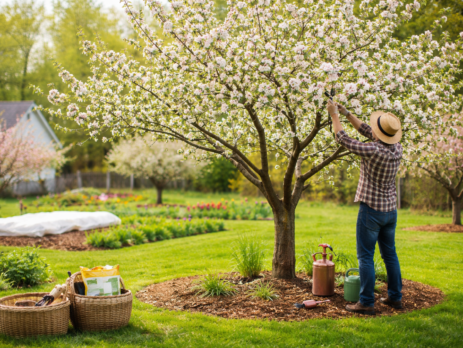
Late winter to very early spring (while trees are still dormant) is the ideal time to prune most apple and pear trees. Pruning during dormancy improves air circulation, sunlight penetration, and overall structure. Remove dead, damaged, or crossing branches first, then thin crowded growth.
Stone fruits like peaches, nectarines, plums, and cherries are best pruned just as buds begin to swell — but before full leaf-out. Avoid pruning during wet weather, as this can increase disease risk.
Do not prune:
-
Immediately before a hard freeze
-
In mid to late spring once heavy sap flow has started
-
In fall (this can stimulate tender growth before winter)
If your tree is newly planted, focus on structural shaping rather than heavy cutting.
Dormant Sprays: Timing Matters
Dormant oil sprays help control overwintering insects such as aphids, scale, and mites. Apply in late winter to early spring before buds fully open and when temperatures are above 40°F for at least 24 hours.
For fungal concerns like apple scab or peach leaf curl, a copper or fungicide spray may be recommended. Proper timing is critical — once trees leaf out, many dormant sprays are no longer appropriate.
We carry trusted solutions like Bonide dormant oils and fruit tree sprays to help you stay ahead of pests and disease.
Fertilization Timing
Fruit trees benefit from feeding just as they break dormancy. Early spring fertilization supports strong leaf growth and fruit development.
-
Use a balanced fruit tree fertilizer or Espoma organic fruit tree food.
-
Apply around the drip line (not against the trunk).
-
Water thoroughly after application.
Avoid over-fertilizing, as excessive nitrogen can produce leafy growth at the expense of fruit.
Mulching for Moisture and Root Health
Apply 2–3 inches of mulch around the base of your tree, extending to the drip line if possible. Mulch conserves moisture, regulates soil temperature, and suppresses weeds.
Keep mulch a few inches away from the trunk to prevent rot and rodent damage.
Protecting Blossoms from Late Frost
Late spring frosts are common in Massachusetts and can damage tender blossoms. If a frost is forecast:
-
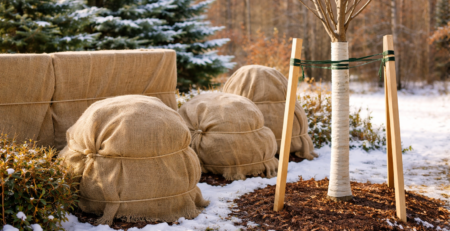
Cover small trees overnight with frost cloth or lightweight fabric.
-
Water soil earlier in the day (moist soil retains heat better than dry soil).
-
Remove covers in the morning once temperatures rise.
Even partial blossom protection can preserve part of your harvest.
Set Your Fruit Trees Up for Success
A few well-timed steps in early spring can make the difference between a light crop and a productive season. If you’re unsure about pruning cuts, spray timing, or fertilizer selection, stop by Nunan’s Garden Center. Our team can help you choose the right products and provide guidance specific to your trees.
For seasonal reminders, expert tips, and exclusive offers, download our app here: https://apjl.app/nunans
FAQ: Early Spring Fruit Tree Care
When is the best month to prune fruit trees in Massachusetts?
Late February through March is ideal for most apples and pears, before buds fully break.
Can I prune after my tree starts blooming?
Light corrective pruning is possible, but heavy pruning should be avoided once flowering begins.
When should I spray dormant oil?
Apply before buds open, when temperatures are consistently above 40°F.
Should I fertilize newly planted fruit trees?
Wait until after planting and once growth begins. Avoid strong fertilization at planting time.
Will frost always ruin my fruit crop?
Not always. Protecting blossoms and monitoring forecasts can significantly reduce damage.
Visit us this spring to make sure your fruit trees are ready for a healthy, productive season.