From Yard to Table: What to Plant Now—and What to Wait On
May is when edible gardening really starts to feel possible. The days are longer, the garden center is full of vegetable plants and herbs, and it is tempting to plant everything at once. But in Georgetown and across the North Shore, timing still matters.
Some crops can handle cool May nights. Others need warmer soil and steady nighttime temperatures before they will thrive. Planting too early can slow growth, stress plants, or cause tender crops to fail before they get started.
Start With Cool-Season Crops
Early to mid-May is a good time to plant crops that tolerate cooler conditions. These are the vegetables and herbs that can handle spring weather and do not need hot soil to grow well.
Good May choices include:
- Lettuce and salad greens
- Spinach
- Kale
- Swiss chard
- Peas
- Radishes
- Scallions
- Parsley
- Cilantro
- Chives
- Broccoli, cabbage, and other cole crops
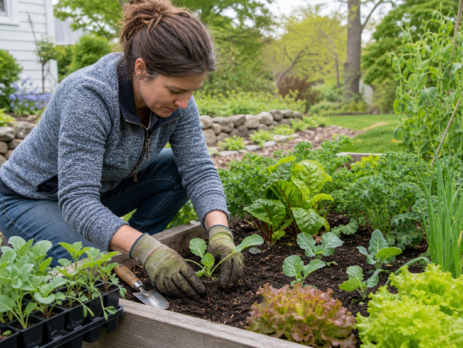
These crops are good for raised beds, containers, and traditional garden rows. For best results, plant in quality garden soil, water consistently, and keep young plants protected if a cold night is in the forecast.
Wait on Warm-Season Vegetables
Tomatoes, peppers, eggplants, cucumbers, squash, zucchini, basil, and other warm-season crops need warmer weather. They grow best once the danger of frost has passed and nighttime temperatures are more consistently mild.
In our area, many gardeners wait until later in May—often around Memorial Day weekend—to plant tender vegetables outdoors. The exact timing depends on the weather that year, so watch the forecast rather than the calendar alone.
If you already bought warm-season plants, keep them protected. Place them outside during mild days to harden them off, then bring them in or cover them if nights are too cold.
Pay Attention to Soil Temperature
Air temperature is only part of the story. Warm-season vegetables also need warm soil. Tomatoes may survive cool soil, but they often sit still and grow slowly until conditions improve. Peppers, eggplants, cucumbers, squash, and basil are even less forgiving.
Raised beds and containers often warm up faster than in-ground gardens, which can give you a slight head start. Mulch, compost, and quality soil amendments can also help create better growing conditions once planting time arrives.
Plant Herbs in Stages
Some herbs are ready for May planting, while others should wait. Parsley, cilantro, thyme, oregano, mint, and chives can handle cooler spring weather better. Basil should wait until the warm-season planting window because it dislikes cold nights and chilly soil.
For patio pots, consider starting with cool-tolerant herbs now and adding basil later once the weather settles.
Visit Nunan’s for Local Timing Advice
May planting is not one-size-fits-all. A warm week can be followed by a cold night, especially in New England. Before planting tender vegetables, stop by Nunan’s Garden Center for healthy vegetable starts, herbs, seeds, soil, compost, fertilizer, containers, raised bed supplies, and local advice on what is ready to plant now—and what should wait another week or two.
Download the Nunan’s app for seasonal updates, timely reminders, and mobile offers: https://apjl.app/nunans.
FAQ
Can I plant tomatoes in early May?
It is usually better to wait until nights are consistently warmer and the risk of frost has passed. Many local gardeners wait until later in May.
What vegetables can I plant first in May?
Lettuce, spinach, kale, peas, radishes, scallions, Swiss chard, parsley, cilantro, broccoli, and cabbage are better early-May choices.
Why shouldn’t I plant everything on the first warm day?
One warm day does not mean the soil is warm or that cold nights are over. Tender plants can become stressed if planted too early.
Can I buy plants now and plant them later?
Yes. Keep tender vegetables protected, water them as needed, and gradually harden them off before planting outdoors.