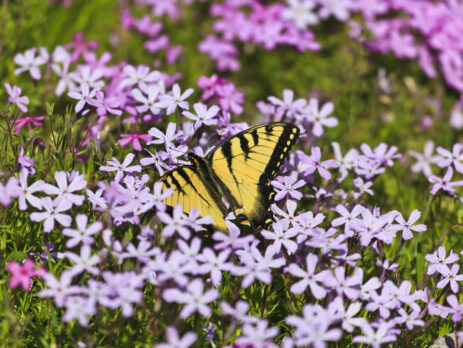
Top 10 Early-Blooming Plants That Support Bees & Butterflies
As winter fades and temperatures begin to rise, pollinators like bees and butterflies start emerging in search of one critical resource: nectar. Early-blooming plants play a vital role in supporting these beneficial insects when food sources are still limited. By planting early-season bloomers, you’re not only jumpstarting your garden’s color—you’re also helping sustain local ecosystems.
Here are 10 top-performing early bloomers to consider this season, along with a few product recommendations to help them thrive.
🌼 1. Crocus
One of the very first signs of spring. These low-growing bulbs provide essential nectar for emerging bees.
🌸 2. Hellebores (Lenten Rose)
Shade-tolerant and long-blooming, hellebores offer early pollen and are deer-resistant.
🌿 3. Pulmonaria (Lungwort)
A pollinator favorite with spotted foliage and pink-to-blue flowers that bloom in early spring.
🌷 4. Snowdrops (Galanthus)
Delicate but hardy, snowdrops bloom even through late snow, offering one of the earliest nectar sources.
🌼 5. Daffodils
While not a primary nectar plant, they help signal pollinators that spring has arrived and pair well with other early bloomers.
🌸 6. Creeping Phlox
A colorful groundcover that bursts into bloom in early spring and attracts butterflies.
🌿 7. Virginia Bluebells
Native and highly attractive to early pollinators, especially bees.
🌼 8. Brunnera (False Forget-Me-Not)
Produces airy blue flowers and thrives in shady gardens.
🌸 9. Hyacinths
Fragrant and vibrant, these bulbs attract early bees while adding strong visual impact.
🌿 10. Golden Alexander (Zizia aurea)
A native perennial that supports early pollinators and serves as a host plant for black swallowtail butterflies.
Recommended Products for Early Pollinator Success
To get the most out of your early-blooming plants, pairing them with the right products is essential:
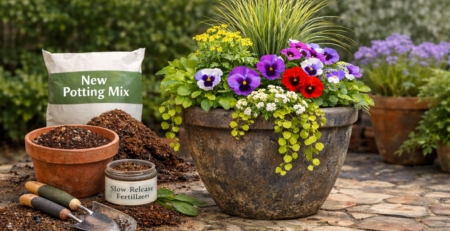
- Espoma Organic Plant-tone: A slow-release fertilizer that promotes strong root development and healthy blooms.
- Coast of Maine Organic Soil: Ideal for enriching garden beds and improving moisture retention in early spring conditions.
- Bonide Insect Control (Bee-Safe Options): Helps manage harmful pests without impacting beneficial pollinators when used correctly.
- Mulch (Bulk or Bagged): Protects early roots from temperature swings and retains soil moisture.
Create a Pollinator-Friendly Start to Spring
Planting early-blooming flowers is one of the easiest and most impactful ways to support bees and butterflies. By mixing bulbs, perennials, and native plants, you create a continuous food source that helps pollinators thrive from the very beginning of the season.
Visit Nunan’s Garden Center to explore our full selection of early bloomers and organic gardening products. Our team can help you choose the right plants for your space and set you up for a successful, pollinator-friendly garden.
And don’t forget—download our app for exclusive deals and seasonal gardening tips: https://apjl.app/nunans
FAQ
Why are early-blooming plants important for pollinators?
They provide critical nectar and pollen when few other food sources are available, helping pollinators recover after winter.
Are native plants better for bees and butterflies?
Yes, native plants like Virginia Bluebells and Golden Alexander are especially beneficial because pollinators have evolved alongside them.
Can I plant early bloomers in containers?
Absolutely. Many bulbs and perennials like crocus, hyacinths, and hellebores do well in containers with proper drainage.
When should I plant early-blooming bulbs?
Most spring-blooming bulbs should be planted in the fall before the ground freezes.
How can I make my garden more pollinator-friendly overall?
Plant a variety of blooms from early spring through fall, avoid harmful pesticides, and include native plants whenever possible.