Hydrangea Care 101: Everything You Need to Know Before Planting
Hydrangeas are one of the most popular flowering shrubs for a reason—they deliver large, vibrant blooms and bring long-lasting color to any landscape. At Nunan’s Garden Center, hydrangeas are a seasonal favorite, and with the right care, they can thrive in your garden for years. Before planting, it’s important to understand a few key factors that will set you up for success.
Start with the Right Location
Hydrangeas perform best in morning sun and afternoon shade, especially in New England climates. Too much harsh afternoon sun can stress the plant and fade blooms, while too much shade may reduce flowering. Aim for a balanced spot that provides 4–6 hours of sunlight daily.
Soil Matters More Than You Think
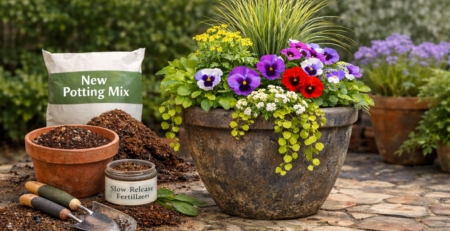
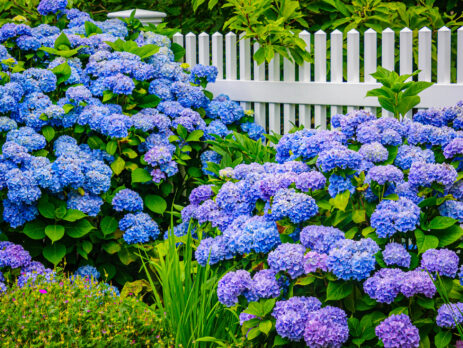
Hydrangeas prefer well-draining, nutrient-rich soil. Before planting, amend your soil with compost or organic matter to improve structure and fertility. One unique feature of certain hydrangeas (like macrophylla varieties) is that soil pH can influence bloom color—acidic soil produces blue flowers, while alkaline soil leans pink. Products from brands like Espoma can help you naturally adjust soil conditions if desired.
Watering: Consistency Is Key
Hydrangeas are not drought-tolerant, especially when establishing. Plan to water deeply 2–3 times per week, depending on weather conditions. The goal is to keep the soil consistently moist but not waterlogged. Mulching around the base helps retain moisture and regulate soil temperature.
When and How to Prune
Pruning depends on the type of hydrangea you have.
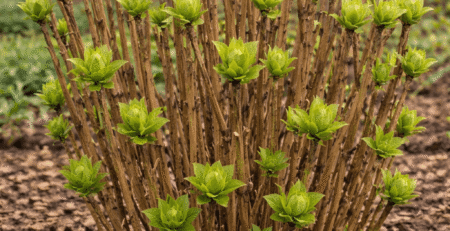
- Bigleaf (macrophylla): Prune lightly after flowering, as they bloom on old wood.
- Panicle and smooth hydrangeas: These bloom on new wood and can be pruned in late winter or early spring.
Over-pruning is a common mistake. When in doubt, prune conservatively to avoid cutting off next season’s blooms.
Planting Tips for Success
- Dig a hole twice as wide as the root ball, but not deeper
- Set the plant so the top of the root ball is level with the soil
- Backfill with amended soil and water thoroughly
- Add mulch to protect roots and retain moisture
At Nunan’s, we grow and carry a wide selection of hydrangeas, including Proven Winners varieties known for reliability and performance in New England landscapes.
FAQs About Hydrangea Care
When is the best time to plant hydrangeas?
Spring and early fall are ideal, giving roots time to establish before extreme temperatures.
Why isn’t my hydrangea blooming?
Common causes include improper pruning, too much shade, or winter damage to buds.
Can I grow hydrangeas in containers?
Yes, but they require more frequent watering and winter protection.
How do I get blue hydrangea flowers?
Lower your soil pH using soil acidifiers; aluminum sulfate is commonly used.
Do hydrangeas need fertilizer?
Yes, a balanced, slow-release fertilizer in spring supports healthy growth and blooms.
For the best selection and expert advice, visit Nunan’s Garden Center. Our team can help you choose the right hydrangea for your space and ensure you start off with the right care plan.