Hydrangea Pruning Guide (Know Your Type First)
Stephen Flynn2026-02-28T09:31:14-05:00Old Wood vs. New Wood Bloomers + How to Avoid Costly Spring Mistakes
Hydrangeas are a staple in Plymouth, MA landscapes, but pruning them incorrectly is one of the most common reasons gardeners lose a season of blooms. The key is simple: know your type first. Once you understand whether your hydrangea blooms on old wood or new wood, pruning becomes straightforward.
Step 1: Identify Your Hydrangea Type
Old Wood Bloomers
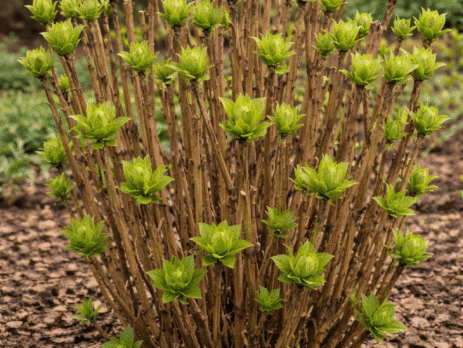
These hydrangeas set their flower buds on last year’s growth. If you prune them in early spring, you risk cutting off this year’s flowers.
Common old wood types:
-
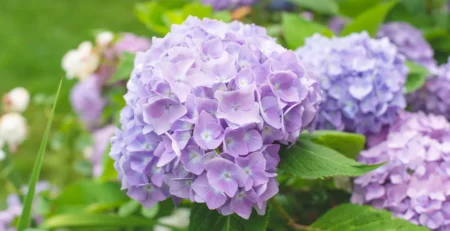
Bigleaf Hydrangea (Hydrangea macrophylla) – Mophead and lacecap varieties
-
Mountain Hydrangea (Hydrangea serrata)
-
Some traditional climbing hydrangeas
When to prune:
Immediately after they finish blooming in summer.
How to prune:
-
Remove only spent blooms.
-
Thin out dead or weak stems at the base.
-
Avoid heavy spring pruning.
New Wood Bloomers
These hydrangeas bloom on growth produced in the current season. That means you can prune them in late winter or early spring without sacrificing flowers.
Common new wood types:
-
Panicle Hydrangea (Hydrangea paniculata) – ‘Limelight,’ ‘Little Lime,’ etc.
-
Smooth Hydrangea (Hydrangea arborescens) – ‘Annabelle’ and similar varieties
When to prune:
Late winter to early spring before new growth begins.
How to prune:
-
Cut stems back by one-third to one-half.
-
Remove weak or crossing branches.
-
Shape for structure and airflow.
The Most Common Spring Pruning Mistakes
1. Pruning All Hydrangeas the Same Way
Not all hydrangeas respond to the same timing. Treating them identically is the fastest way to eliminate blooms.
2. Cutting Old Wood Types to the Ground
This removes pre-formed flower buds. The plant will survive—but it likely won’t bloom that season.
3. Pruning Too Late
Even new wood varieties should be pruned before active growth begins. Waiting too long can stress the plant and reduce performance.
4. Over-Pruning
Hydrangeas generally need light shaping, not aggressive cutting. Removing too much growth weakens the plant and reduces flower size.
Not Sure What You Have?
Plant tags, bloom shape, and growth habit can help identify your variety. Bring in a photo or visit our garden center in Plymouth, MA, and we’ll help you determine your type before you make the first cut.
For the best selection of Proven Winners® hydrangeas, Espoma fertilizers, and Coast of Maine soils, stop by Crystal Lake Garden Shop. Our team can help you choose varieties suited to Southeastern Massachusetts gardens and shoreline conditions.
You can also download our app for seasonal pruning reminders, care tips, and app-only promotions:
https://apjl.app/nunans
FAQ
Can I prune my hydrangea in fall?
It’s not recommended. Fall pruning can remove buds and make plants more vulnerable to winter damage.
What if I already pruned my old wood hydrangea in spring?
The plant should recover, but blooming may be reduced or skipped this year. Focus on healthy growth and prune correctly after summer flowering.
Do reblooming hydrangeas follow the same rules?
Many reblooming varieties bloom on both old and new wood. Light pruning is safest—avoid cutting back heavily in early spring.
How do I get bigger blooms?
Proper pruning, consistent watering, and feeding with a balanced fertilizer designed for flowering shrubs will improve bloom size and overall performance.